Give Cancer the Boot: A Designer’s Real-World Review
As an embroidery designer who spends more time staring at digitized paths than I do sleeping, I have learned to be skeptical of trendy graphics. We see thousands of files pass through our software every month, but very few possess the structural integrity and emotional resonance required for a high-quality finished product. When I first loaded Give Cancer the Boot into my editing software, I was not just looking for a cute graphic; I was looking for a viable asset for my clients’ upcoming awareness campaigns. This is not just another clipart file; it is a statement piece that requires careful handling to translate from a digital concept into a tactile reality.
First Impressions and Visual Personality
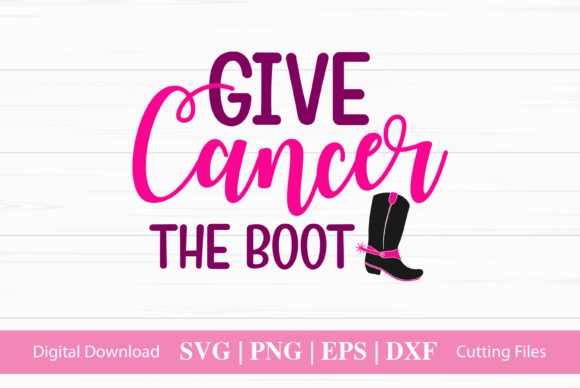
The immediate mood of this design is defiant yet hopeful. In the realm of Crafts and awareness merchandise, there is a fine line between being poignant and being preachy. Give Cancer the Boot strikes a balance by using strong, recognizable imagery paired with a clear, creative theme. The layout feels intentional. It does not rely on overly intricate details that would get lost in translation, which is a common pitfall in many sublimation SVGs that are hastily converted for needlework.
From a visual standpoint, the design has a bold personality. It commands attention without screaming. For an Etsy seller or a small shop product creator, this is crucial. You want a design that stops the scroll but also respects the dignity of the cause. The quote is integrated seamlessly, suggesting that the text and the graphic were meant to live together, rather than one being an afterthought. This cohesion is what separates professional design assets from amateur attempts.
The Real-World Test: A Custom Tote Bag Scenario
To truly evaluate any machine embroidery design, you must imagine it on a physical object. I recently worked on a project for a local boutique preparing for October breast cancer awareness events. They needed a tote bag design that was durable, washable, and emotionally impactful. I chose Give Cancer the Boot as the primary candidate.
The scenario was specific: a heavy canvas tote, natural color, intended for daily use carrying groceries and books. This is a high-stress environment for embroidery. The fabric is thick, textured, and prone to shifting if not stabilized correctly. As I reviewed the file, I considered how the shapes would fill. Large open areas require careful fill stitch management to prevent sinking into the canvas texture. Conversely, the outlines needed a robust satin stitch or a thick running stitch border to maintain definition against the rough weave of the cotton.
The result, after a test run on scrap fabric, was impressive. The design held its shape. The "boot" motif provided a solid anchor, while the text remained legible. This is where the difference between a sublimation SVG and a proper embroidery file becomes apparent. If you are purchasing this as a digital download intended for sublimation, you must ensure it has been properly digitized for stitching. Sublimation files often lack the underlay and pull compensation necessary for embroidery. If this file is indeed a vector SVG, it serves as an excellent base for auto-digitizing, but manual refinement is non-negotiable for professional results.
Versatility Across Product Lines
Beyond tote bags, Give Cancer the Boot shows remarkable versatility across various custom apparel and home goods. Here is how it performs in different contexts:
- Sweatshirt Embroidery: On fleece or French terry, the design needs higher stitch density to stand out against the plush background. The bold lines of the boot work well here, preventing the design from looking fuzzy or indistinct.
- Baby Embroidery: For onesies or bibs, scale is everything. You must reduce the size significantly. However, be cautious. Tiny lettering can become illegible if the hoop size is too small. I recommend testing a minimum size on jersey knit to ensure the threads do not pucker the delicate fabric.
- Embroidered Patch: This design is ideal for patches. The self-contained nature of the graphic allows for a clean merrowed edge. Patches are a huge trend in craft business circles right now, allowing customers to add awareness symbols to existing jackets or bags without committing to permanent embroidery.
- Holiday Embroidery: While primarily an awareness design, the "boot" imagery can be adapted for autumn-themed gifts. Pairing it with fall-colored thread colors like rust, mustard, and deep pink can broaden its appeal beyond just October.
Technical Considerations and Pitfalls
While the design is strong, it is not without its challenges. As a reviewer, I must point out where caution is needed. If you are working with stretchy fabric like performance tees, the density of the fill areas must be reduced. Too much thread on a stretchy material will cause the garment to warp and bunch, ruining the comfort and look of the personalized gift.
Additionally, consider the hoop size. If you are using a standard 4x4 hoop, you may need to split the design or reduce it significantly, which could compromise the readability of the quote. Always check the dimensions before purchasing. For curved surfaces like caps, the design needs to be flattened and adjusted for the curvature. A flat design stitched on a curved cap will look distorted unless properly digitized for that specific application.
Dark fabrics present another challenge. If you are stitching on black or navy, you cannot rely on the fabric to provide contrast. You must use bright, vibrant thread colors. A test stitch on dark fabric is essential to ensure the thread colors pop and do not blend into the background. This is particularly important for the text elements of Give Cancer the Boot.
Commercial Viability and Brand Trust
For commercial embroidery professionals, the value of a design lies in its ability to generate sales while maintaining brand consistency. Give Cancer the Boot offers a high perceived value. It looks custom and thoughtful, which builds customer trust. When a buyer sees a well-executed embroidered item, they perceive it as higher quality than a printed counterpart. This perception allows for higher pricing margins.
However, licensing is paramount. Since this is listed as a DIGITAL DOWNLOAD and described as a sublimation SVG, you must clarify the usage rights. Can you sell finished physical items? Can you use the graphic in your own printable mockup marketing materials? Always read the license terms provided by the creator. Using a design commercially without proper clearance can lead to legal issues that far outweigh the cost of the file. If the license is unclear, contact the seller directly. Professionalism in your craft business means respecting intellectual property.
Final Verdict and Practical Advice
In conclusion, Give Cancer the Boot is a compelling addition to your library of Graphics and design assets. It carries the right emotional weight for breast cancer awareness projects and possesses the visual strength to withstand the rigors of embroidery. However, it is not a "plug-and-play" solution for every scenario. It requires a designer’s eye to adjust for fabric type, hoop size, and stitch density.
Before you commit to a large production run, follow these steps:
- Test on Scrap Fabric: Never skip this step. Use the same fabric and stabilizer you intend to use for the final product.
- Check Contrast: Ensure your thread choices provide enough contrast against the fabric background.
- Verify Licensing: Confirm that you have the right to sell finished products made with this design.
- Inspect Details: Zoom in on the digitized file. Look for unnecessary jumps or dense areas that might cause thread breaks.
When used correctly, this design can elevate your handmade product lineup, offering customers a meaningful way to show support. It is a tool, and like any tool, its effectiveness depends on the skill of the craftsperson wielding it. Treat it with respect, digitize it with care, and it will serve your embroidery project well.