Coffee Solves Everything: A Designer’s Embroidery Review
As an embroidery designer who has spent countless hours digitizing, stitching, and troubleshooting designs for client projects, I have learned that not every cute quote translates well into thread. When I first encountered Coffee Solves Everything, my initial reaction was one of cautious optimism. The phrase is undeniably relatable, tapping into the universal language of caffeine dependence that resonates with a wide audience. However, as professionals in the Crafts and Graphics space know, sentiment alone does not make a successful machine embroidery design. The execution matters just as much as the message.
This review evaluates Coffee Solves Everything from the perspective of real-world application. I am looking at this not just as a digital asset, but as a physical product waiting to be stitched. Whether you are an Etsy seller looking to expand your small shop product line, or a hobbyist creating a personalized gift for a friend, understanding how this design behaves under the needle is crucial for achieving a high-quality finished product.
First Impressions and Visual Personality
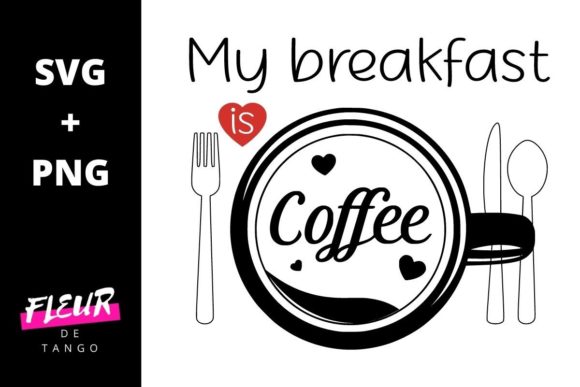
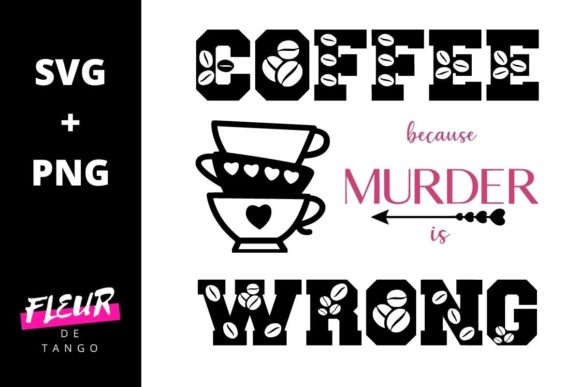
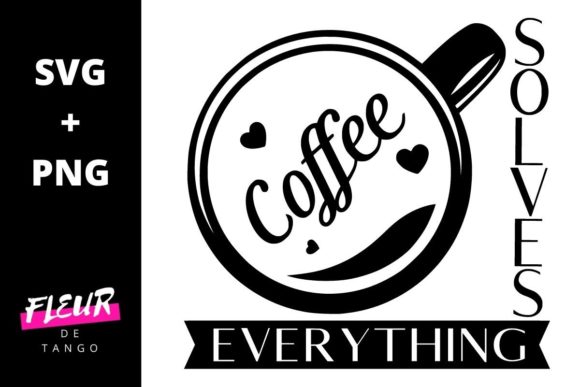
The mood of Coffee Solves Everything is playful yet grounded. It strikes a balance between humor and lifestyle branding, which makes it versatile for various demographics. Visually, the layout appears clean, avoiding the clutter that often plagues quote-based designs. For an embroidery project, clarity is king. If the letters are too thin or the spacing too tight, the thread will bridge gaps and create a messy appearance. This design seems to prioritize readability, which is essential when working with thread colors that may not have extreme contrast against the fabric.
The theme naturally lends itself to cozy, everyday items. It feels at home on morning wear, kitchen accessories, and work-from-home essentials. As a digital embroidery file, it arrives in SVG and transparent PNG formats. While these are standard for cuttable designs and print-on-demand, embroidery specialists must note that these are vector and raster graphics, not native embroidery files like PES or DST. This means you will need to digitize the SVG into stitches yourself or use conversion software, giving you control over stitch density and type.
Real-World Application: The Tote Bag Test
To truly judge a design, you must imagine it on a specific substrate. Let us consider a custom embroidered tote bag, a staple for any craft business. Canvas tote bags have a distinct fabric texture that can swallow small details. If Coffee Solves Everything is scaled too small, the lettering may lose definition against the weave of the canvas. However, if sized correctly—perhaps spanning four to five inches across—the boldness of the statement works beautifully.
I envision using a fill stitch for the main text to ensure durability and coverage, while potentially employing a satin stitch border if the design includes graphical elements like a coffee cup icon. The transparency of the PNG file allows for easy placement visualization in mockups, helping you decide whether the design sits better on the center chest of a sweatshirt or the lower corner of a tote. For a sweatshirt embroidery project, the softness of the fleece requires careful attention to stabilizer choice to prevent puckering, especially with a phrase that demands clear legibility.
Versatility Across Product Lines
Beyond totes and sweatshirts, this design has strong potential in several other categories:
- Custom Apparel: Ideal for staff uniforms in cafes or boutique coffee shops, adding a touch of personality to commercial embroidery projects.
- Kitchen Textiles: An apron or tea towel featuring this quote makes a fantastic holiday gift or housewarming present. The context of the item reinforces the message.
- Embroidered Patches: If digitized with a border, this could become a trendy iron-on patch, appealing to younger demographics who customize jackets and bags.
- Nursery Decor: While typically adult-themed, a softened version with pastel thread colors could work for new parents who rely on coffee to survive sleepless nights, making it a humorous baby embroidery adjacent gift.
Technical Considerations and Pitfalls
While the concept is strong, there are areas where caution is required. Since you are working from an SVG source, the conversion process is critical. Poor auto-digitizing can result in excessive running stitch usage where fill stitches are needed, leading to a flimsy look. Conversely, overly dense stitching can make the fabric stiff and uncomfortable, particularly on custom apparel worn close to the skin.
Pay close attention to hoop size constraints. If you are stitching on a curved surface like a cap, the design must be simplified. Complex curves in lettering can distort on rounded surfaces. Additionally, when working with dark fabrics, ensure your digitizing includes an appropriate underlay to prevent the background color from showing through the text. This is vital for maintaining the professional appearance expected by buyers of handmade products.
Another consideration is washability. Items like kitchen towels and baby clothes undergo frequent laundering. A design with high stitch density may hold up better than one with sparse stitching, but it must be balanced with fabric stability. Always test on scrap fabric first. Check how the threads react to washing and drying, and adjust your tension settings accordingly.
Enhancing Brand Value and Customer Trust
For Etsy sellers and creative entrepreneurs, the quality of your embroidery directly impacts brand consistency. A crisp, well-stitched Coffee Solves Everything design signals professionalism. It shows that you care about the details, which builds customer trust. When customers see a clear, vibrant design in your printable mockup or product photos, they are more likely to engage and purchase.
The relatability of the quote also aids in marketing. It is not just a design; it is a conversation starter. This increases the giftability of the item. People love buying gifts that reflect the recipient’s personality, and few things are as universally understood as the need for coffee. By offering this design on high-quality blanks, you elevate the perceived value of your design assets and finished goods.
Practical Designer Notes for Success
Before you begin stitching, keep these practical tips in mind to ensure the best results:
- Digitize with Intent: Do not rely solely on auto-digitize features. Manually adjust stitch angles and densities to suit the specific fabric you are using.
- Check Licensing: Confirm the license terms for the SVG file. Ensure you have the right to use the design for commercial purposes if you plan to sell the finished items.
- Test Contrast: Use black and white mockups to verify that the design stands out. If the design relies on subtle color differences, it may get lost in translation to thread.
- Select the Right Stabilizer: Match your stabilizer to the fabric weight. Cut-away stabilizers are generally better for stretchy fabrics like t-shirts, while tear-away works for stable woven fabrics like tote bags.
- Inspect Small Details: Zoom in on the SVG before digitizing. Look for tiny anchor points or overlapping paths that could cause machine errors.
In conclusion, Coffee Solves Everything is a promising addition to your library of Graphics for Crafts. Its success lies not just in the witty phrase, but in how thoughtfully you translate it into stitches. With careful digitizing, appropriate material selection, and attention to technical detail, this design can become a standout piece in your embroidery project portfolio. It offers a blend of humor and style that appeals to a broad market, making it a smart choice for both personal creativity and commercial enterprise. Treat the source file with respect, digitize with precision, and watch this simple quote transform into a cherished personalized gift or best-selling item.