Gone Fishing: A Designer’s Review for Embroidery Projects
As an embroidery designer who has spent countless hours digitizing and stitching thousands of designs, I have learned that not every graphic translates well to thread. Some look fantastic on a screen but turn into a tangled mess under the needle. When I first pulled up the Gone Fishing design file, my initial reaction was one of cautious optimism. It is a simple concept—a quote paired with iconic imagery—but simplicity in embroidery is often harder to execute perfectly than complex shading. After reviewing the layout and considering its potential application in real-world Crafts and commercial projects, I found it to be a reliable asset for specific niches.
First Impressions and Visual Personality
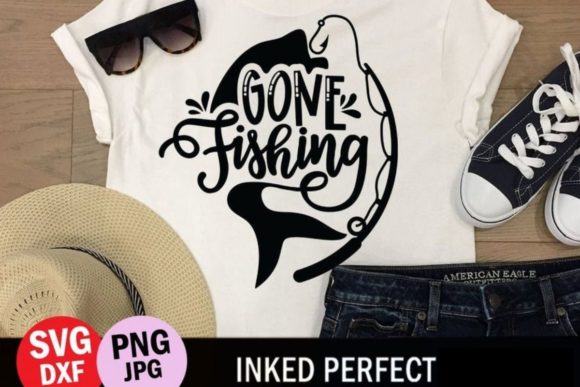
The mood of Gone Fishing is instantly recognizable: relaxed, recreational, and slightly nostalgic. The composition features a fish, a fishing rod, and a stylized font that complements the outdoor theme. From a design perspective, the balance between the text and the graphical elements is crucial. In this case, the font choice feels intentional, avoiding overly delicate serifs that might get lost in stitching. The inclusion of the fish and rod adds a visual anchor, ensuring that even if the viewer is at a distance, the theme is clear.
For those of us selling design assets or finished goods, visual clarity is paramount. This design does not rely on microscopic details. Instead, it uses bold shapes that suggest movement and leisure. This makes it particularly suitable for machine embroidery design applications where stitch definition matters more than photographic realism. The overall aesthetic fits squarely into the casual, hobbyist category, making it a strong candidate for personalized items rather than high-fashion apparel.
Real-World Application: The Custom Tote Bag Scenario
To truly evaluate a design, I always imagine it on a physical product. Let’s consider a common request I receive from clients: a custom embroidered tote bag for a father’s birthday or a retirement gift. Using Gone Fishing on a canvas tote is an ideal use case. Canvas has a tight weave and sufficient weight to support the stitch density required for the text and the fish icon without puckering excessively.
In this scenario, the design acts as the focal point. I would recommend placing it centrally on the bag, perhaps using a contrasting thread colors scheme. For example, navy blue thread on a natural beige canvas creates a classic, nautical feel. The fishing rod element provides a nice vertical or diagonal line that can break up the horizontal flow of the text, adding dynamic interest to the embroidery project. Because tote bags are functional items that see regular use, the durability of the stitch type matters. If the design utilizes a mix of satin stitch for the text and fill stitch for the fish, it should hold up well to washing and wear, provided the proper stabilizer is used during production.
Versatility Across Products and Markets
Beyond tote bags, this design shows promise in several other areas. For Etsy sellers and small shop owners, versatility is key to maximizing return on investment. Here is how Gone Fishing performs across different mediums:
- Sweatshirt Embroidery: Placed on the left chest of a hoodie or crewneck, this design serves as a subtle yet clear statement piece. The soft texture of fleece requires careful attention to fabric texture and stabilizer choice to prevent the design from sinking into the pile.
- Embroidered Patch: Creating an iron-on or velcro-backed patch allows customers to add the design to jackets or hats without committing to direct embroidery. This is a popular trend in the craft business sector.
- Holiday Embroidery: While not strictly seasonal, fishing is a year-round passion. However, it peaks as a gift idea for Father’s Day, birthdays, and Christmas. Having this file ready in your library ensures you can quickly produce personalized gift items during rush seasons.
- Custom Apparel: For t-shirts, the design works best if the digitization accounts for the stretch of the fabric. A lighter density or the use of running stitch outlines can help maintain comfort and flexibility.
For commercial embroidery shops, this type of graphic is a staple. It appeals to a broad demographic, from young anglers to retired enthusiasts. The ability to scale the design for different hoop size constraints is a significant advantage, allowing it to fit on everything from large blanket corners to small cap fronts.
Technical Considerations and Potential Pitfalls
While Gone Fishing is a strong contender for many projects, there are areas where caution is necessary. As a reviewer, I must highlight where this design might fail if not handled correctly.
First, consider the lettering. If the font includes thin strokes or tight kerning, these areas are prone to thread breaks or poor coverage on textured fabrics. Before running a full production batch, always test the design on scrap fabric that matches your final product. Check whether the small details of the fish’s eye or the rod’s handle remain distinct. If they merge into a blob of thread, the design may need resizing or re-digitizing for smaller hoops.
Second, be mindful of dark fabrics. If you are stitching on a black or navy garment, ensure that the design includes adequate underlay stitches to prevent the background fabric from showing through the top threads. This is especially important for the lighter-colored elements of the design. Using a white or light gray underlay can significantly improve the vibrancy of the final finished product.
Third, curved surfaces like caps present a challenge. The distortion caused by the curvature can warp the text, making "Gone Fishing" difficult to read. If you plan to offer this as a cap design, ensure you are using a cap frame and appropriate stabilizers to minimize pull. Alternatively, consider simplifying the design for headwear, perhaps removing the rod if it causes excessive density in a small area.
Enhancing Value and Customer Trust
From a business standpoint, the quality of your embroidery directly impacts customer trust. A clean, well-stitched Gone Fishing design signals professionalism. It shows that you understand the limitations of the medium and have taken steps to optimize the embroidery file for production. This attention to detail encourages repeat business and positive reviews, which are vital for any small shop product line.
Moreover, the thematic consistency of this design helps with brand positioning. If your shop specializes in outdoor or hobby-themed Graphics, this item fits seamlessly into your catalog. It allows you to create cohesive collections, such as pairing this design with other outdoor motifs for a complete line of custom apparel and accessories.
Practical Notes for Designers and Makers
Before you commit to using Gone Fishing in your next project, keep these practical tips in mind:
- Test on Scrap Fabric: Always run a test stitch-out on the actual fabric you intend to use. This reveals issues with tension, density, and color contrast before you ruin a expensive garment.
- Check Thread Contrast: Ensure your thread colors stand out against the fabric. High contrast improves readability and visual appeal.
- Review Stitch Density: If the design feels stiff or causes puckering, consider reducing the density or changing the stitch types in your editing software.
- Confirm Hoop Size: Verify that the design fits within your machine’s maximum hoop size, especially if you plan to enlarge it for larger items like pillows or towels.
- Inspect Small Details: Zoom in on the digital preview to check for tiny, isolated stitches that may cause thread nests or breaks.
- Licensing Verification: Since this is a digital product, always confirm the license terms. Ensure you have the right to use it for commercial embroidery if you plan to sell the finished items. Do not assume; check the documentation provided with the digital embroidery file.
In conclusion, Gone Fishing is a solid addition to any embroiderer’s library. It balances thematic charm with technical feasibility, making it a versatile choice for a wide range of handmade product applications. By understanding its strengths and respecting its limitations, you can create high-quality, appealing items that resonate with customers who share a passion for the sport. Whether you are creating a single personalized gift or stocking your Etsy seller store with new inventory, this design offers a reliable foundation for creative expression.