Review: Christmas Cardinal Sublimation Design for Embroidery
As a designer who has spent countless hours digitizing patterns and testing them on everything from thick denim to delicate silk, I approach every new Christmas Cardinal Sublimation Design with a mix of curiosity and caution. We often see these high-resolution graphic files marketed strictly for sublimation printing, but the creative community is increasingly hybrid in its methods. We take beautiful Graphics and adapt them for stitch work, or we use them as reference layers for custom digitizing. Today, I am evaluating this specific cardinal design not just as a printable image, but as a potential cornerstone for a holiday embroidery project.
First Impressions and Visual Mood
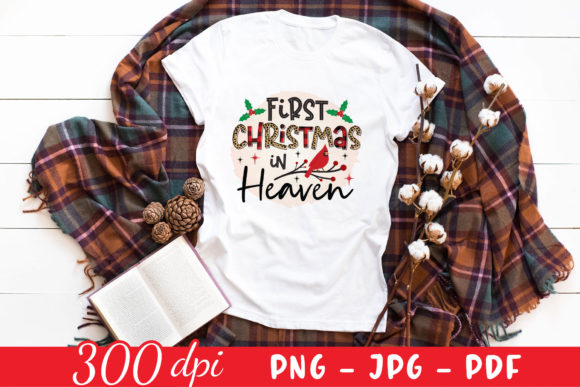
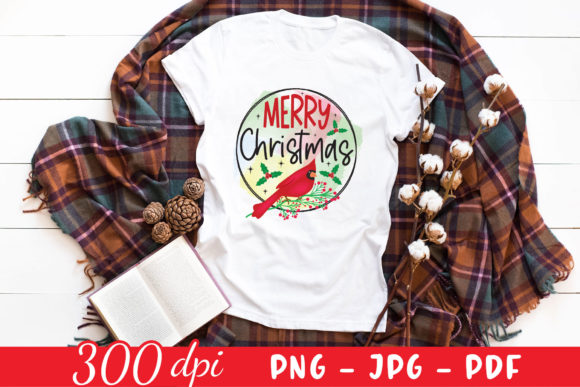
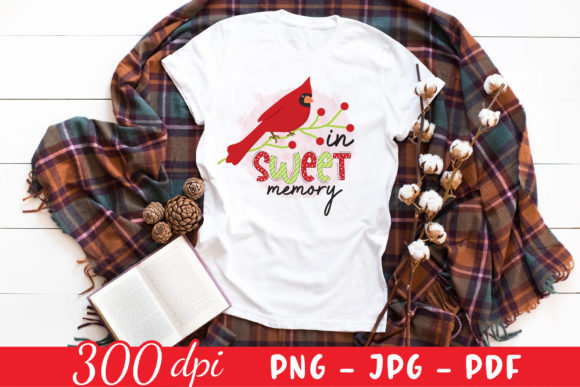
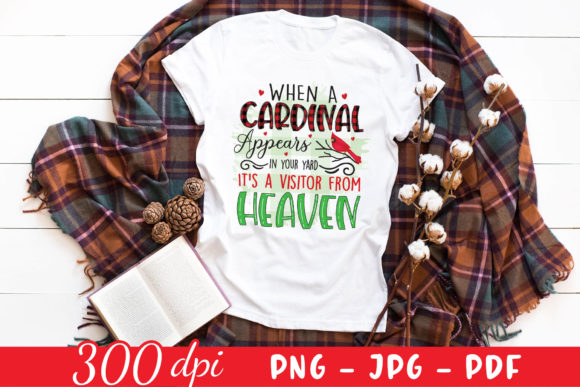
The moment I opened the file, the immediate impression was one of warmth and traditional holiday charm. The cardinal, a staple of winter imagery, is rendered with a level of detail that suggests a high-quality source. For those of us in the Crafts industry, visual appeal is the first hook. This design does not scream; it invites. The layout appears balanced, with the bird likely serving as the focal point alongside a complementary quote. This combination creates a narrative element that elevates a simple image into a sentimental piece.
When considering how this translates to thread, I look at the contrast. A successful machine embroidery design relies on clear distinctions between light and dark areas. If this sublimation file features sharp edges and distinct color blocks, it digitizes beautifully. However, if the original graphic relies heavily on soft gradients or watercolor effects, converting it to an embroidery file requires careful planning. You cannot stitch a gradient without using complex blending techniques or opting for an applique design approach where fabric pieces create the shading.
Real-World Application: The Holiday Tote Scenario
To truly test the viability of this design, I imagined a real-life scenario: preparing a batch of custom tote bags for a local boutique’s holiday market. Tote bags are unforgiving. They are made of canvas or heavy cotton, which has a pronounced fabric texture. If I were to use this Christmas Cardinal Sublimation Design as a guide for stitching, I would need to consider the scale.
For a tote bag, a larger hoop size is essential. I would likely aim for a 5x7 or 6x10 hoop to allow the cardinal to breathe. Crowding the design makes it look cheap. In this context, the "eye-catching graphics" mentioned in the description need to be simplified. I would trace the outline of the cardinal to create a bold satin stitch border, then use a fill stitch for the body. The accompanying quote would need to be large enough to remain legible despite the weave of the canvas. If the text in the original PNG is too thin, it will vanish into the fabric texture, frustrating both the maker and the customer.
Versatility Across Products
Beyond totes, where else does this design shine? I see strong potential for sweatshirt embroidery. A crewneck sweatshirt provides a stable, flat surface that handles higher stitch density well. Here, the cardinal could be placed on the left chest for a subtle look or centered for a statement piece. For baby embroidery, such as a onesie or blanket, I would exercise caution. Babies have sensitive skin, so the back of the stitching must be clean. I would recommend using a soft cut-away stabilizer and ensuring that no dense clusters of thread create a hard patch against the skin.
Another excellent application is the embroidered patch. Patches are trending, and a cardinal design fits perfectly with the rustic, cottage-core aesthetic popular in small shops. By stitching this design onto twill fabric and cutting it out, you create a versatile asset that can be ironed onto jackets, hats, or bags later. This adds value to your handmade product line because it offers modularity to the buyer.
Technical Challenges and Considerations
While the visual potential is high, there are technical hurdles. Since this is sold primarily as a sublimation design with PNG, JPG, and PDF files, it is not a native embroidery file like PES or DST. This means you cannot simply load it into your machine. You must digitize it yourself or hire a digitizer. This is a crucial distinction for Etsy sellers and craft business owners. Do not assume plug-and-play functionality.
If you are digitizing this yourself, pay close attention to the thread colors. Cardinals are bright red. Red thread can sometimes bleed or look dull if the tension is off. I always test my reds on scrap fabric first. Additionally, check the details in the bird’s eye and beak. These tiny elements require precise running stitch work or very short satin stitches. If the original graphic has too much noise in these areas, simplify them. Over-digitizing small details leads to thread breaks and frustration.
Be wary of using this on stretchy fabrics like jersey knits without proper stabilization. The weight of the embroidery can cause the fabric to pucker, distorting the cardinal’s shape. Always use a hoop size that matches the design dimensions closely to minimize movement. For curved surfaces like caps, the design must be warped or adjusted to account for the curvature, otherwise, the text may appear bowed or uneven.
Enhancing Brand Value and Customer Trust
Why go through the trouble of adapting a sublimation graphic for embroidery? Because embroidered items carry a perceived higher value. A printed shirt is common; an embroidered one feels bespoke. When customers see the texture of the thread and the dimensionality of the cardinal, they associate it with quality and effort. This builds trust in your brand.
For commercial embroidery projects, consistency is key. If you are selling this as part of a holiday collection, ensure that the finished product looks professional on both light and dark fabrics. I recommend creating printable mockup images that show the design on various backgrounds. This helps buyers visualize the item and increases engagement on social media. A well-executed cardinal design can become a signature element of your shop, recognizable and beloved by repeat customers.
Practical Designer Notes
- Test Before Selling: Always stitch out a sample on the exact fabric you plan to sell. What looks good on screen may behave differently on cotton versus polyester.
- Check Licensing: Since this is a graphic file, confirm the license terms. Does the creator allow you to use the image as a reference for creating physical goods for sale? Most do, but always verify to protect your small shop product line.
- Contrast is King: If stitching on dark fabric, ensure you have a high-contrast thread color for the outline. On light fabric, you can afford more subtlety.
- Simplify for Scale: If reducing the design for a pocket or hat, remove intricate background elements. Focus on the cardinal and the core message of the quote.
- Stabilizer Selection: Use tear-away stabilizer for woven fabrics that don’t stretch, and cut-away for knits. This prevents distortion and ensures the design lasts through washes.
In conclusion, the Christmas Cardinal Sublimation Design is a versatile asset for the creative entrepreneur. While it requires translation from pixel to stitch, the effort yields a high-quality, tactile product that stands out in the crowded holiday market. Whether you are making personalized gifts, stocking your Etsy store, or creating custom apparel for clients, this design offers a classic aesthetic that resonates with the season. Just remember to respect the technical limits of embroidery, plan your digitizing carefully, and always prioritize the durability of the final piece. With the right approach, this graphic can transform into a cherished heirloom-quality item.