Reviewing It s Fine I m Fine Everything is Fine V2
As a designer who has spent countless hours digitizing and stitching out embroidery patterns, I have learned that the most successful designs are not always the most complex. Sometimes, the power lies in the message and how cleanly it translates from screen to fabric. Recently, I evaluated It s Fine I m Fine Everything is Fine V2 for a potential client project, and I want to share my practical insights on how this graphic performs in real-world embroidery scenarios.
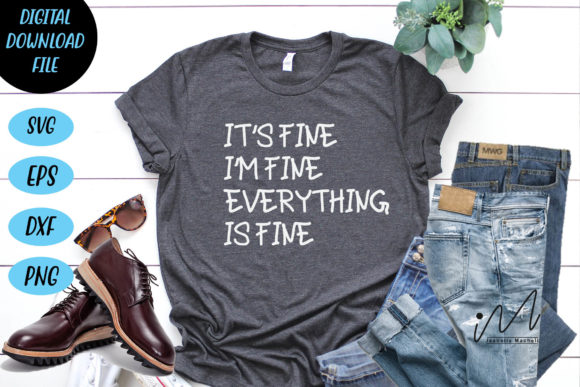
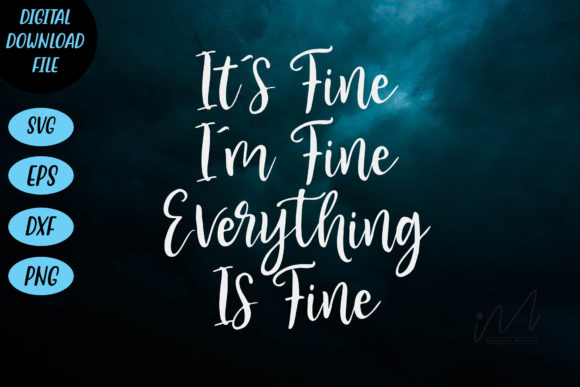
The first impression of this design is its relatable humor wrapped in a minimalist aesthetic. The phrase captures a very modern, slightly chaotic mood that resonates with a wide audience. Visually, the layout appears balanced, relying on typography rather than heavy illustrative elements. For an embroidery designer, this is both a blessing and a challenge. Text-based designs require precise digitizing to ensure legibility, especially when scaled down for smaller items like caps or baby clothes.
Real-World Application: The Custom Tote Bag Test
To truly understand the viability of It s Fine I m Fine Everything is Fine V2, I imagined applying it to a standard canvas tote bag. This is a staple product for many Etsy sellers and small shop owners. The natural texture of canvas provides a sturdy base, but it also demands attention to stitch density. If the design is too dense, the fabric may pucker; if it is too light, the background fabric might show through, compromising readability.
In this scenario, the design’s simplicity works in its favor. Because it is primarily text, it avoids the heavy fill stitches that often cause distortion on flexible fabrics like tote bags. I would recommend using a medium-weight cut-away stabilizer to support the stitching without adding unnecessary bulk. The result is a clean, professional-looking handmade product that feels intentional rather than mass-produced. Customers appreciate this level of craftsmanship, which directly impacts buyer engagement and trust.
Versatility Across Product Categories
One of the strongest assets of this graphics file is its adaptability. While I initially considered it for apparel, the design translates well across various categories within Crafts. Here is how it performs in different contexts:
- Sweatshirt Embroidery: On fleece or cotton blends, the design stands out beautifully. The soft texture of the sweatshirt contrasts nicely with the crisp lines of the embroidery. However, you must ensure the hoop size is large enough to accommodate the full width of the phrase without cramming the letters.
- Embroidered Patches: This design is ideal for creating iron-on or sew-on patches. Patches allow you to stitch the design on a stable twill backing before applying it to curved surfaces like caps or backpacks. This method eliminates the risk of puckering on difficult-to-hoop items.
- Baby Embroidery: For baby onesies or bibs, the humorous quote adds a playful touch for exhausted parents. However, caution is required. You must scale the design down significantly. Ensure that the lettering remains thick enough to be durable during frequent washing, as thin running stitches can break easily on infant garments.
- Kitchen Towels and Aprons: As a gift item, this design adds personality to home goods. A linen tea towel with this quote makes for an excellent holiday embroidery project. Just be mindful of the fabric weave; tighter weaves yield cleaner results for text-based machine embroidery designs.
Technical Considerations for Stitching Clarity
When working with It s Fine I m Fine Everything is Fine V2, technical execution is key to maintaining visual appeal. Since the product description indicates you receive SVG, DXF, EPS, and PNG formats, it is crucial to understand how these files interact with your embroidery software. Most embroidery machines do not read SVG or DXF files directly for stitching; they require specific embroidery file formats like PES, DST, or JEF. Therefore, you will need to use appropriate software to convert or trace these vector graphics into a stitch file.
This conversion step is where many beginners struggle. If you are tracing the SVG manually, pay close attention to the node points. Smooth curves in the letters will translate to smoother satin stitches. Jagged vectors will result in uneven stitching. I strongly advise testing the design on scrap fabric first. Check the thread color contrast against your chosen material. Dark threads on dark fabric will vanish, while light threads on white fabric may lack definition.
Stitch density is another critical factor. If you are using a fill stitch for any part of the design, ensure it is not too heavy. For text, satin stitches are usually preferred for their smooth, shiny appearance. However, if the letters are very small, satin stitches may become too tall and prone to snagging. In such cases, a narrow running stitch or a simple bean stitch might be more appropriate for durability.
Navigating Fabric Challenges
Not all fabrics behave the same way. When using this design on stretchy fabrics like jersey knits for t-shirts, proper stabilization is non-negotiable. Without a suitable stabilizer, the fabric will pull and distort the text, making the phrase unreadable. For textured fabrics like towels or corduroy, the intricate details of the font might get lost. In these cases, consider increasing the size of the design or using a contrasting underlay stitch to lift the top threads above the fabric pile.
Curved surfaces, such as caps, present another challenge. Hooping a cap correctly requires experience. If the design is too wide, it may wrap around the curve too much, causing visibility issues from the front. I recommend placing the design centrally and keeping the height moderate to maintain a flattering proportion on the crown of the hat.
Commercial Viability and Brand Consistency
For craft business owners and digital product sellers, the commercial potential of It s Fine I m Fine Everything is Fine V2 is significant. The quote is evergreen and relatable, making it a safe bet for inventory. However, professionalism is paramount. A poorly stitched design can damage your brand reputation. Ensure that every finished product meets high standards of quality. Trim jump threads carefully, and press the item after stitching to remove hoop marks.
Before selling finished items or digital embroidery files derived from this graphic, you must confirm the licensing terms. The product description mentions SVG, DXF, EPS, and PNG formats, but it does not explicitly state the commercial license rights for the embroidery output. Always verify whether the creator allows you to sell physical products made with this design. Respecting intellectual property is essential for long-term success in the creative entrepreneur community.
Final Designer Notes
To summarize, It s Fine I m Fine Everything is Fine V2 is a versatile and engaging design that fits well within the modern aesthetic of handmade goods. Its strength lies in its simplicity and emotional resonance. To get the best results:
- Always test stitch on similar fabric before starting a customer order.
- Use high-quality thread to enhance the visual appeal and durability.
- Adjust the size according to the item, ensuring text remains legible.
- Choose the right stabilizer for your fabric type to prevent puckering.
- Verify licensing permissions for commercial use to protect your business.
By paying attention to these details, you can transform a simple digital graphic into a high-value personalized gift or boutique product. Whether you are an experienced embroidery designer or a hobbyist looking to expand your skills, this design offers a great opportunity to practice precision and creativity. The final product, when executed well, speaks volumes about the maker’s attention to detail and understanding of current trends.