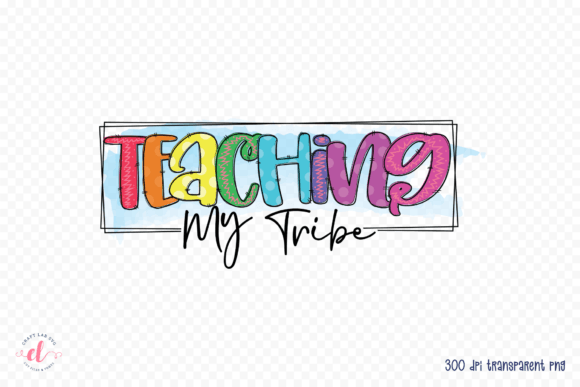
Reviewing Teaching My Tribe for Real Embroidery Projects
As a designer who spends half my life digitizing and the other half stitching, I have learned to look past the glossy preview images. We all know that what looks crisp on a screen does not always translate cleanly to fabric. When I first encountered Teaching My Tribe, Teacher Sublimation, my immediate reaction was one of cautious optimism. The phrase itself carries weight in the education community, evoking a sense of responsibility and warmth. But as an embroidery product reviewer, my job is to determine if this graphic can survive the transition from a digital asset to a tangible, stitched reality.
This design falls under the broad category of Crafts and specifically targets the Graphics market. However, for those of us working with needle and thread, the distinction between a sublimation file and an embroidery-ready concept is critical. This review explores how this specific design holds up when applied to real-world projects, from custom apparel to boutique merchandise.
First Impressions: Mood and Visual Personality
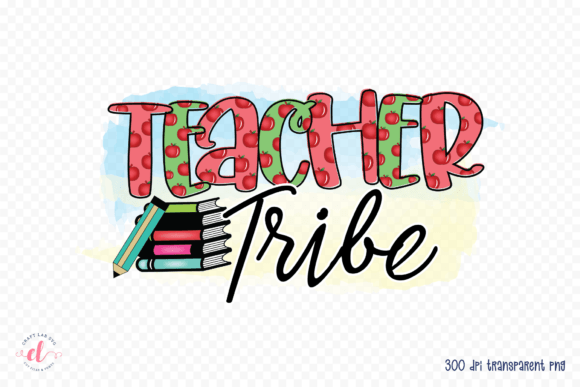
The visual personality of Teaching My Tribe, Teacher Sublimation is undeniably warm. It speaks directly to educators who view their classrooms as communities. The layout typically features bold, eye-catching graphics paired with the central quote. In a sublimation context, these elements rely on color gradients and sharp edges. For embroidery, we must interpret these shapes through thread.
The mood is professional yet approachable. It is not overly childish, which makes it versatile. It fits well on items intended for adult teachers rather than just student supplies. When I visualize this design, I see it working best where there is enough surface area to let the lettering breathe. Cramped spaces will kill the legibility, so the initial assessment suggests this is a medium-to-large format design.
Real-World Application: From Screen to Stitch
Let’s consider a practical scenario. Imagine you are preparing a custom order for a local elementary school teacher who wants a personalized tote bag for carrying lesson plans. You choose Teaching My Tribe, Teacher Sublimation as the focal point. Because the original files are high-resolution 300 DPI PNGs with transparent backgrounds, you have a clean reference for tracing or digitizing.
For a tote bag design, the sturdy canvas fabric provides an excellent base. The texture of the canvas can handle a moderate stitch density without puckering. Here, the "eye-catching graphics" mentioned in the product description can be rendered using a combination of fill stitch for larger shapes and satin stitch for borders or emphasis. The result is a tactile, premium feel that sublimation alone cannot achieve.
Another strong candidate is sweatshirt embroidery. A crewneck sweatshirt offers a large, flat chest area ideal for this type of statement piece. The soft fleece interior provides natural cushioning, reducing the need for heavy cut-away stabilizers. However, you must be mindful of the nap. If the graphics include fine details, they may get lost in the fabric texture. In this case, simplifying the smaller elements of the design ensures the message remains clear.
Navigating Technical Challenges
While the design is visually appealing, there are areas where caution is necessary. Embroidery is unforgiving of poor planning. Here is where the rubber meets the road for Teaching My Tribe, Teacher Sublimation.
- Small Hoop Sizes: Do not attempt to shrink this design into a 4x4 inch hoop unless you remove significant detail. The text "Teaching My Tribe" needs space. Compressing it will result in illegible blobs of thread.
- Textured Fabrics: On towels or pique polos, the underlying texture can interfere with small text. Use a water-soluble topping to keep the stitches sitting on top of the fabric loops.
- Stretchy Fabric: If applying this to a knit t-shirt, proper stabilization is non-negotiable. A lightweight cut-away stabilizer is essential to prevent the design from distorting after washing.
- Dark Fabric: The original graphic likely uses light or vibrant colors. On dark garments, you must plan for an underlay or use lighter thread colors strategically. Contrast is key to readability.
It is also worth noting that curved surfaces, such as caps, present a challenge. The design’s width may exceed the standard cap frame limits, or the curvature might distort the horizontal alignment of the text. For headwear, consider breaking the design into two parts or choosing a simpler variant if available.
Enhancing Product Value and Brand Consistency
For Etsy sellers and small shop owners, the perceived value of a handmade item is tied to its execution. A well-stitched version of Teaching My Tribe, Teacher Sublimation signals professionalism. It shows that the maker understands scale, tension, and color theory.
When used in commercial embroidery projects, consistency is vital. If you are producing multiple units for a school gift shop, ensure your digitizing is standardized. Test the design on scrap fabric first. Check the thread tension. Verify that the running stitch outlines are secure before the fill stitches begin. These small steps prevent costly errors in bulk production.
Furthermore, this design serves as a strong personalized gift. Adding the teacher’s name or grade level below the main graphic can increase engagement. Buyers love seeing their specific identity reflected in the product. This customization turns a generic graphic into a cherished keepsake.
Practical Notes for the Embroidery Designer
Before you load this design into your machine, take a moment to review the technical specifics. Since Teaching My Tribe, Teacher Sublimation is provided as PNG, JPG, and PDF files, it is not a native embroidery file (such as PES or DST). You will need to digitize it yourself or hire a digitizer. This is a crucial distinction. Do not assume the graphic is ready to stitch out of the box.
- Digitizing Strategy: Start with the background shapes. Use fill stitches for large areas to minimize thread breaks. Keep satin columns narrow to avoid snagging.
- Color Selection: Match the thread colors to the original graphic but adjust for lighting. Threads reflect light differently than ink. Test swatches under natural light.
- Stabilizer Choice: Match the stabilizer to the fabric weight. Heavy denim needs a sturdy cut-away; delicate linen needs a tear-away with care.
- Licensing Check: Always confirm the license terms. While the product description mentions it is perfect for various items, ensure you have the right to sell finished products featuring this design. Intellectual property rights vary by seller.
Additionally, create printable mockup images of your finished embroidery. Show the design on a pillow cover, an apron, and a tote bag. This helps customers visualize the versatility of the product. High-quality photos of the actual stitching build trust far more effectively than digital renderings alone.
Final Verdict
Teaching My Tribe, Teacher Sublimation is a strong contender for educational-themed projects. Its emotional resonance with teachers makes it a reliable seller during back-to-school seasons and appreciation weeks. However, its success depends entirely on the skill of the embroiderer. The transition from a sublimation graphic to a stitched embroidery project requires thoughtful digitizing and careful material selection.
If you respect the limitations of the medium and prioritize clarity over complexity, this design can elevate your craft business offerings. It is not just a graphic; it is a statement. Treat it with the technical respect it deserves, and it will become a staple in your portfolio of design assets. Whether you are creating a holiday embroidery gift or a year-round small shop product, this design offers the potential for high customer satisfaction and repeat business.