Cardiac Nurse Design: A Practical Embroidery Review
As a designer who has spent countless hours hooping, stitching, and troubleshooting machine embroidery projects, I approach every new machine embroidery design with a mix of curiosity and caution. We all know that what looks crisp on a computer screen does not always translate perfectly to fabric. Recently, I evaluated the Cardiac Nurse, Gift for Nurse T Shirt asset to determine its viability for real-world applications. This is not just a digital file; it is a potential revenue stream for crafters and a meaningful gift for healthcare professionals. Here is my honest assessment of how this design performs in a professional embroidery context.
First Impressions and Visual Personality
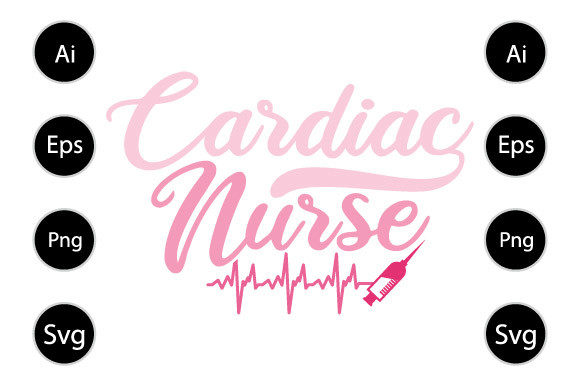
The initial visual impact of this design relies heavily on its thematic clarity. The combination of cardiac imagery with leopard print elements creates a specific mood that balances professional pride with personal style. For an embroidery reviewer, the first thing I look for is the layout. Does the composition allow for clean stitching, or are there too many competing elements? In this case, the design feels balanced. The leopard print texture adds visual interest without necessarily requiring complex stitch manipulation if handled correctly as a fill pattern.
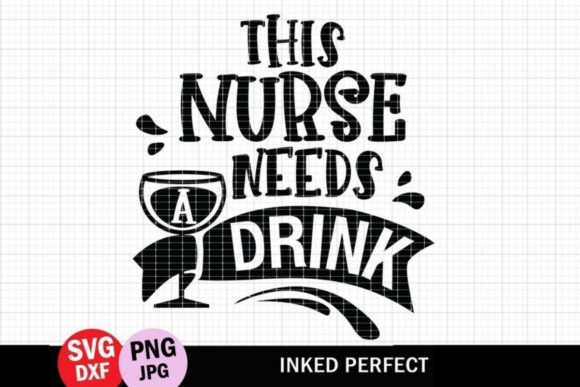
The inclusion of a funny nurse quote adds a layer of personality that resonates with the target audience. Nursing school graduates and seasoned cardiac nurses alike appreciate humor that acknowledges the intensity of their work. From a design perspective, the typography needs to be legible after stitching. If the lettering is too thin or the spacing too tight, the threads may merge, ruining the readability. This design appears to prioritize bold, clear shapes, which is a positive sign for stitch-out quality.
Real-World Application Scenarios
To truly test a design, you must imagine it on actual products. I visualized this Cardiac Nurse, Gift for Nurse T Shirt graphic on several common items sold by Etsy sellers and small shop owners. The most obvious application is custom apparel. Imagine this stitched onto the left chest of a scrub top or the center of a cozy sweatshirt. The design’s scale seems appropriate for these areas, offering visibility without overwhelming the garment.
Beyond apparel, consider the versatility for handmade products. A tote bag design featuring this motif would appeal to nursing students carrying heavy textbooks. The durability of embroidery makes it superior to printed vinyl for items that undergo frequent washing. I also see potential for embroidered patches. If digitized correctly, this could serve as a fun badge for a nurse’s lanyard or backpack. For holiday gifts, placing this on a high-quality kitchen towel or apron creates a personalized gift that feels thoughtful and bespoke rather than mass-produced.
Technical Considerations for Stitching
While the aesthetic is appealing, the technical execution requires attention. The product description notes that the file formats include AI Illustrator files, EPS Illustrator 10, and a PNG transparent image at 4500 x 5400 pixels. It is crucial to understand that these are graphics formats, not native embroidery files like PES or DST. As an experienced designer, I must advise that you will need to digitize this artwork or use auto-digitizing software carefully before sending it to your machine.
If you are converting this from a vector or raster image, pay close attention to stitch density. Leopard print patterns can become dense if every spot is filled with satin stitch or fill stitch. This can lead to puckering, especially on thinner fabrics. I recommend using a running stitch for finer details and reserving fill stitches for larger solid areas. Always test the design on scrap fabric first. Check how the thread colors contrast against the background. A dark thread on a dark fabric will vanish, while a light thread on a white fabric may lack definition.
Stabilizer choice is non-negotiable here. For stretchy fabrics like t-shirts or sweatshirts, use a cut-away stabilizer to prevent distortion. For woven materials like tote bags or aprons, a tear-away stabilizer may suffice, but always consider the weight of the stitch area. If the design is large and dense, the fabric may pull or warp without proper support.
Navigating Fabric and Hoop Constraints
Not every project is suitable for this design. Small hoop sizes may require scaling down the artwork, which risks losing the legibility of the funny nurse quote. Tiny lettering is the enemy of embroidery; if the text becomes smaller than a quarter-inch, the stitches may blur together. I suggest avoiding this design on curved surfaces like caps unless you have significant experience with cap frames and digitizing for curvature. The distortion on a rounded surface can make straight lines appear wavy.
Textured fabrics also present a challenge. If you are stitching on a fluffy towel or a ribbed sweater, the intricate details of the leopard print may get lost in the pile. In such cases, simplifying the design or increasing the stitch size might be necessary. Additionally, be cautious with dark fabrics. If the design relies on light colors, ensure your thread quality is high to prevent breakage and maintain vibrancy. Testing in black and white mockups can help you visualize contrast issues before you thread the needle.
Commercial Value and Brand Consistency
For commercial embroidery and craft business owners, this design offers strong marketability. Nurses are a dedicated demographic that frequently purchases personalized items. By offering this as part of a collection, you enhance your brand consistency. Whether you are selling finished products or digital embroidery files, the perceived value depends on the quality of the stitch-out. A clean, professional finish builds customer trust and encourages repeat business.
When listing this on platforms like Etsy, use high-quality printable mockups to show the design on various items. Show it on a baby onesie for a "future nurse" angle, or on a premium tote for a practical gift. Highlight the emotional connection—the pride of the profession mixed with a touch of humor. This emotional resonance drives buyer engagement more than technical specs alone.
Final Designer Notes
Before launching this into your production line, confirm licensing terms. Since the source files are graphics (AI, EPS, PNG), ensure you have the right to use them for commercial embroidery projects. Some licenses allow for physical sales but restrict digital resale of the embroidery file itself. Always read the fine print.
In summary, the Cardiac Nurse, Gift for Nurse T Shirt concept is a strong contender for your next embroidery project. It blends trend-aware aesthetics with niche appeal. However, its success depends entirely on your digitizing skills and material choices. Treat it with the respect a complex graphic deserves: test thoroughly, stabilize properly, and stitch with precision. When done right, it transforms from a simple image into a cherished handmade product that celebrates the hard work of cardiac nurses everywhere.