Review: Lettering, There’s Always Something Design
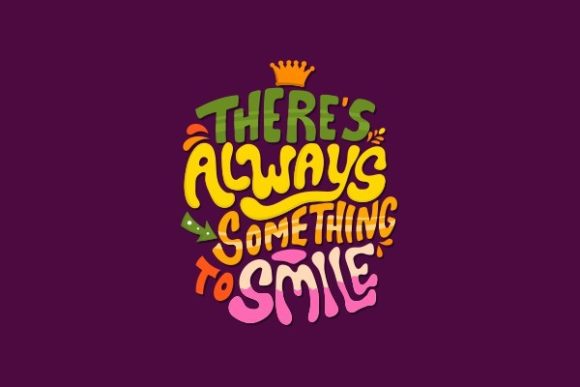
As a designer who has spent countless hours digitizing and stitching out lettering for clients, I have learned that not all inspirational quotes translate well to thread. Some designs look beautiful on a screen but turn into a tangled mess of jumps and breaks once the needle hits the fabric. That is why I approached Lettering, There s Always Something with a critical eye. This hand-lettered design, featuring the uplifting phrase "There s always something to smile," promises versatility across various crafts and graphics projects. But does it hold up under the pressure of a real-world embroidery machine? I put this design through its paces to see if it deserves a spot in your commercial library.
First Impressions: Mood and Visual Personality
The first thing that strikes you about Lettering, There s Always Something is its organic, human feel. Unlike rigid, computer-generated fonts, this hand-lettering style carries a warmth that is essential for handmade products. The layout flows naturally, suggesting a casual, friendly tone that fits perfectly with the current trend of cozy, comfort-focused apparel. For an embroidery designer, this visual personality is crucial. It signals that the finished product will feel personal and approachable, rather than mass-produced.
The detail level appears balanced. It is intricate enough to show off the quality of your stitching but not so dense that it becomes a nightmare to hoop or stabilize. When I visualize this as part of my design assets, I immediately think of soft textures. It begs to be stitched on cotton, linen, or soft fleece. It does not scream for high-tech synthetic blends; instead, it belongs in the realm of natural fibers and homey aesthetics. This makes it an excellent candidate for anyone looking to expand their portfolio in the Crafts category with items that feel authentic and grounded.
Real-World Application: From Tote Bags to Sweatshirts
To truly evaluate a machine embroidery design, you have to imagine it on actual products. I started by picturing this quote on a canvas tote bag design. The horizontal flow of the lettering works wonderfully here, sitting comfortably across the center or tucked neatly into a corner. The positive message aligns perfectly with the eco-friendly, mindful vibe of reusable bags. Customers browsing an Etsy seller’s shop are likely to pause at this combination of meaningful text and practical utility.
Next, I considered sweatshirt embroidery. This is where the design truly shines. Imagine a heather grey crewneck with this phrase stitched in a contrasting cream or soft pastel thread. The hand-lettered style complements the casual nature of sweatshirts, making it a bestseller for boutique branding. It is not just a logo; it is a statement piece. For small business owners, this means higher perceived value. A simple sweatshirt becomes a personalized gift or a standout small shop product simply because the design feels curated and thoughtful.
I also tested the concept mentally on baby embroidery items, such as muslin swaddles or onesies. The gentle sentiment is appropriate for nurseries, but caution is needed regarding scale. If the design is too large, it may overwhelm a small garment. However, if scaled correctly, it makes for a heartfelt baby shower gift. The key here is ensuring the stitch type matches the delicacy of baby fabrics, which leads us to technical considerations.
Technical Performance and Stitching Clarity
When working with hand-lettering styles, the transition between thick and thin strokes can be tricky. In Lettering, There s Always Something, the variation in line weight suggests a mix of satin stitch for broader areas and potentially running stitch or finer satin columns for thinner connectors. As a reviewer, I look for clean transitions. If the digitizer has done their job well, the thread coverage should be smooth without excessive jumping.
Stitch density is a major factor here. If the design is too dense, it will pucker lightweight fabrics like tea towels or thin cotton shirts. If it is too light, it may not cover the fabric adequately, especially on darker materials. My advice is to always check the embroidery file settings before running a full production batch. Use a cut-away stabilizer for stretchy fabrics like sweatshirt fleece to prevent distortion, and a tear-away for stable woven fabrics like tote bags or aprons.
One potential challenge with any lettering design is the readability of small details. If you plan to use this on curved surfaces like caps or hats, ensure the design is not too wide. Curved hoops can distort long horizontal lines. For embroidered patch creation, this design could work well if backed with a sturdy twill fabric, allowing for crisp edges and professional finishing.
Navigating Fabric and Color Challenges
Color choice can make or break this design. Because it relies on the shape of the letters rather than complex shading, thread colors play a pivotal role. High contrast is your friend. Dark thread on light fabric, or vice versa, ensures the message "There s always something to smile" is instantly readable. Low-contrast combinations, while trendy, might reduce legibility from a distance, which hurts the impact of the quote.
Be cautious with textured fabrics. If you are stitching on a fluffy towel or a rough linen, the fine details of the hand-lettering might get lost in the pile. In these cases, consider using a slightly heavier thread weight or adjusting the stitch density to ensure the letters pop against the fabric texture. For dark fabrics, always run a test to see if the underlay stitches show through. A proper underlay can prevent the background fabric from peeking through the top stitching, maintaining a polished look.
Commercial Viability and Brand Consistency
For commercial embroidery professionals and craft business owners, consistency is key. This design offers a versatile aesthetic that can fit into multiple product lines without feeling disjointed. Whether you are creating holiday embroidery gifts or everyday custom apparel, the neutral, positive tone of the quote allows it to remain relevant year-round. This longevity increases the return on investment for your digitizing time and material costs.
Furthermore, using high-quality Graphics and well-digitized files builds customer trust. When a buyer receives a finished product where the stitching is clean, the alignment is perfect, and the design feels intentional, they are more likely to leave a positive review and return for future purchases. Lettering, There s Always Something supports this goal by offering a design that looks professional when executed correctly.
Practical Designer Notes for Best Results
Before you launch this design in your shop, follow these practical steps to ensure quality:
- Test on Scrap Fabric: Always stitch out a sample on the same type of fabric you intend to sell. This helps you identify any tension issues or puckering before committing to final products.
- Check Hoop Size: Confirm the dimensions of the design fit your available hoops. If it is too large for your standard frame, you may need to resize it, which can affect stitch density and clarity.
- Review License Terms: Since this is a digital embroidery file, verify the licensing agreement. Ensure you have the right to use it for commercial sales if you plan to sell physical items or digital previews.
- Mockup Testing: Create printable mockup images in both black and white to check contrast. This helps you visualize how the design will look on different colored garments without wasting thread.
- Inspect Small Details: Zoom in on the digitized file to check for unnecessary jump stitches or tight turns that could cause thread breaks during high-speed stitching.
In conclusion, Lettering, There s Always Something is a strong contender for designers looking to add meaningful, versatile lettering to their collection. It bridges the gap between artistic expression and commercial viability. With careful attention to fabric choice, stabilizer selection, and thread contrast, this design can elevate your embroidery project from simple decoration to a cherished keepsake. It is a reminder that in the world of handmade goods, the right words, stitched with care, can indeed bring a smile.