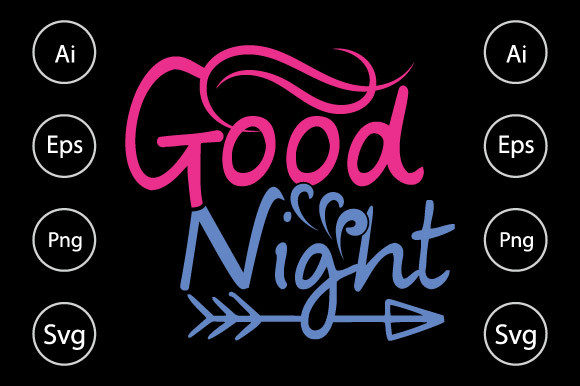
Reviewing the Good Night T Shirt Design for Embroidery
As a designer who spends more time staring at stitch simulations than I do sleeping, I have learned that not every graphic translates well to thread. We often see beautiful digital art that looks stunning on a screen but turns into a tangled mess of bobbin thread once it hits the fabric. That is why I approach every new machine embroidery design with a healthy dose of skepticism and a stack of scrap fabric. Recently, I took a close look at the Good Night T Shirt Design, a piece marketed toward Christmas lovers and unisex apparel projects. My goal was not just to admire the aesthetic, but to determine if it holds up under the needle for real-world commercial and personal use.
First Impressions: Mood and Visual Personality
The first thing that strikes you about the Good Night T Shirt Design is its calming, whimsical mood. It does not scream for attention with aggressive colors or chaotic lines. Instead, it offers a gentle, sleepy vibe that fits perfectly within the current trend of cozy, comfort-focused home decor and apparel. The layout appears balanced, with a quote-centric structure that suggests readability is a priority. For an embroidery project, this is crucial. If the lettering is too thin or the spacing too tight, the thread will bridge gaps or look muddy after washing.
Visually, the design feels like it belongs in the nursery or the lounge. It is not overly juvenile, which makes it versatile for unisex sweatshirts or adult holiday pajamas. The simplicity of the concept allows it to breathe on the fabric, avoiding the cluttered look that plagues many low-quality digital embroidery files. When I imagine this stitched out, I see soft pastels or classic whites against deep navy or charcoal, creating a high-contrast yet soothing effect.
Real-World Application: From Screen to Stitch
To truly test the viability of this design, I mentally placed it on several common substrates. The most obvious candidate is the unisex sweatshirt. Sweatshirt embroidery requires a design that can handle the texture of fleece or cotton blends without sinking in. The Good Night T Shirt Design, with its likely reliance on clear shapes and legible text, should perform well here, provided the digitizer has accounted for the pile of the fabric. A proper underlay is essential to prevent the fabric from showing through the fill areas.
I also considered this design for a custom embroidered tote bag. Tote bags are often made from canvas or heavy cotton, which provides a stable surface for stitching. Here, the design could serve as a charming accent, perhaps positioned off-center for a modern, boutique feel. For Etsy sellers looking to expand their holiday inventory, this could be a standout item. It moves beyond the typical "Merry Christmas" tropes, offering a quieter, more reflective message that appeals to buyers seeking unique, handmade products.
Another interesting application is baby embroidery. Soft onesies or receiving blankets are popular personalized gifts. However, this requires caution. The design must be scaled down appropriately, and the stitch density must be reduced to keep the garment soft against sensitive skin. If the original file is too dense, it will create a stiff patch that ruins the comfort of the baby item. Always check the stitch count and density settings before running it on delicate fabrics.
Technical Considerations and Potential Pitfalls
While the aesthetic is promising, there are technical hurdles to consider. The product description mentions file formats including AI Illustrator, EPS, and PNG. This is a critical distinction for embroiderers. An AI or EPS file is a vector graphic, not a stitched embroidery file. You cannot load an EPS directly into your embroidery machine. You must either digitize it yourself or ensure you are purchasing a converted embroidery format like PES, DST, or JEF. If you are buying this as a graphic to digitize, you have full control over stitch types—choosing between satin stitch for borders and fill stitch for larger areas. If you are expecting a ready-to-stitch file, verify the format carefully.
Assuming you are working with the graphic to create or adjust your embroidery file, pay close attention to the small details. Tiny lettering in quotes can be problematic. If the text "Good Night" includes small serifs or intricate curves, they may not stitch out cleanly at smaller sizes. I recommend testing the design in a black and white mockup first. This strips away the distraction of color and lets you see if the shapes hold their integrity. If the letters look like blobs in monochrome, they will look like blobs in thread.
Fabric choice also plays a massive role. On dark fabrics, you need to ensure your thread colors have enough opacity. A light-colored thread on a black hoodie might require a denser fill or a backing stabilizer to prevent the dark fabric from peeking through. Conversely, on thin or stretchy fabrics, a heavy design can cause puckering. Using a cut-away stabilizer is non-negotiable for stretchy materials like t-shirt jersey to maintain the shape of the finished product.
Enhancing Product Value and Brand Consistency
For small shop owners and craft business entrepreneurs, the choice of design directly impacts perceived value. A clean, professional-looking embroidery job signals quality. The Good Night T Shirt Design has the potential to elevate a basic garment into a premium gift item. When customers see neat stitching with no loose threads or jagged edges, their trust in your brand increases. This design, with its simple elegance, is easier to execute flawlessly than complex, multi-color scenes, reducing the risk of costly mistakes.
Consistency is key in branding. If your shop focuses on cozy, home-spun aesthetics, this design fits seamlessly. It can be part of a larger collection of holiday embroidery projects, creating a cohesive look across your Etsy listings or craft fair displays. Use it on pillow covers, aprons, or even kitchen towels to create a themed holiday set. The versatility of the quote allows it to transcend seasonal boundaries, remaining relevant for winter nights long after Christmas has passed.
Practical Designer Notes for Execution
Before you commit to a full production run, follow these practical steps:
- Test on Scrap Fabric: Never skip this step. Stitch the design on the same type of fabric you plan to use for the final product. Check for puckering, thread breaks, and clarity.
- Check Thread Contrast: Ensure your thread colors stand out against the fabric. High contrast improves readability, especially for quote-based designs.
- Review Stabilizer Choice: Match your stabilizer to the fabric weight. Use tear-away for stable woven fabrics and cut-away for knits and stretchy materials.
- Inspect Small Details: Zoom in on the digitized file. Look for unnecessary jumps or dense clusters of stitches that could cause thread buildup.
- Confirm Licensing: If you plan to sell finished items, verify the license terms associated with the design assets. Some graphics allow commercial use of the finished product, while others do not.
In conclusion, the Good Night T Shirt Design offers a charming, versatile option for embroiderers looking to add a touch of warmth to their projects. Whether you are creating a personalized gift, stocking your small shop, or experimenting with new techniques in Crafts and Graphics, this design provides a solid foundation. Just remember that the difference between a good design and a great finished product lies in the preparation, the digitizing, and the attention to detail during the stitching process. Take your time, test thoroughly, and let the thread do the talking.