Reviewing the Spooky Kid Halloween Sublimation Design
As an embroidery designer who spends more time staring at digitized stitches than I do sleeping, I approach every new Graphics asset with a mix of curiosity and skepticism. We are constantly bombarded with digital files, but few translate well from screen to needle. When I first opened the folder for the Halloween Sublimation Design Spooky Kid, my immediate goal was not just to admire the artwork, but to determine if it could survive the rigors of a real-world embroidery project. This is not just about pretty pictures; it is about whether a design holds up on a tote bag design or a sweatshirt embroidery job after fifty washes.
First Impressions and Visual Personality
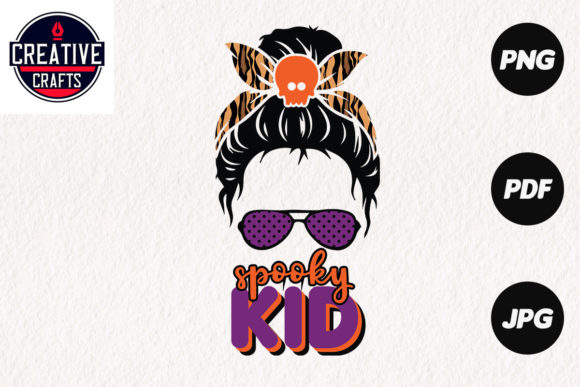
The Halloween Sublimation Design Spooky Kid arrives as a compressed Zip folder containing PNG files at 300 DPI with transparent backgrounds, along with PDF and JPG formats. For those of us in the Crafts industry, transparency is non-negotiable for clean layering. The visual personality of this design is playful rather than terrifying. It captures that specific "spooky cute" aesthetic that dominates modern holiday embroidery. The lines are bold, which is a good sign for embroidery. Thin, wispy lines often get lost in thread colors or break during stitching, but the substantial shapes here suggest durability.
However, we must address the elephant in the room: this is a sublimation design, not a native machine embroidery design file like PES or DST. This distinction is critical. You cannot simply load a PNG into your embroidery machine. To use this in a stitched context, you have two primary paths. First, you can print the sublimation design onto fabric and then embroider over it or around it, creating a mixed-media handmade product. Second, you can use the PNG as a reference image to manually digitize an applique design or a full stitch-out. For this review, I am evaluating its potential as a base for these creative adaptations.
Real-World Application: The Custom Tote Scenario
To test the viability of this asset, I imagined a typical client request: a set of custom trick-or-treat bags for a boutique customer. A canvas tote bag is the perfect substrate for this kind of graphic. If I were to sublimate the Halloween Sublimation Design Spooky Kid directly onto a polyester-blend canvas, the result would be vibrant and flat. But to add value, I would overlay satin stitches around the key outlines of the character.
This hybrid approach leverages the high-resolution detail of the digital embroidery file source while adding the tactile luxury of thread. The stitch density required for such an overlay must be managed carefully. Too dense, and the fabric puckers; too light, and the thread looks sparse against the printed ink. In my mental mockup, using a contrasting running stitch for internal details and a wider satin stitch for the border creates a professional finish that elevates a simple print into a premium personalized gift.
Fabric Considerations and Technical Constraints
Not all fabrics behave the same way. When working with custom apparel like hoodies or baby items, the fabric texture plays a massive role. The Halloween Sublimation Design Spooky Kid features solid blocks of color in its PNG format. If you are planning to embroider over this, you must consider the nap of the fabric. On a fuzzy fleece or terry cloth, fine details will vanish. This design works best on smooth, tight-weave fabrics like cotton twill, poplin, or high-quality jersey.
For baby embroidery, softness is paramount. Heavy stitching can make a garment stiff and uncomfortable. Since this design is originally intended for sublimation, the ink sits within the fiber, keeping the hand of the fabric soft. If you choose to add embroidery, limit it to accent areas. Avoid covering the entire graphic with fill stitch work, especially on stretchy fabrics where stability is hard to maintain without heavy backing.
Speaking of backing, always use the correct stabilizer. For a project involving both sublimation heat and embroidery tension, a cut-away stabilizer is often safer than tear-away, ensuring the design does not distort over time. This is crucial for commercial embroidery standards where longevity defines your brand reputation.
Commercial Viability for Etsy Sellers and Makers
For the Etsy seller or owner of a small shop product line, versatility is key. This design fits seamlessly into the October marketing rush. It is not limited to clothing. Imagine this graphic on a kitchen towel, a pillow cover, or even as part of a layered embroidered patch. Patches are trending heavily right now. You could sublimate the design onto twill, cut it out, and finish the edges with a dense satin stitch border. This creates a durable, iron-on asset that customers love for DIY customization.
The commercial appeal lies in the "ready-to-use" nature of the high-resolution PNG. It saves time on graphic design, allowing you to focus on production. However, always verify the licensing terms included in the Zip folder. While many sublimation designs allow for commercial use on physical products, restrictions may apply to digital resale. As a craft business owner, protecting your legal standing is as important as protecting your stitch quality.
Designer Notes for Best Results
Before committing to a large batch of finished product inventory, follow these practical steps:
- Test on Scrap Fabric: Always run a test piece through your heat press and embroidery hoop to check for registration alignment if combining techniques.
- Check Color Contrast: Ensure the thread colors you choose stand out against the sublimated ink. A dark thread on a dark print will disappear.
- Inspect Small Details: Zoom in on the PNG at 100%. If pixels are visible, the resolution may not hold up for large-format prints like blankets.
- Mockup in Black and White: Convert the image to grayscale to check value contrast. This helps determine if the design reads clearly without relying on color.
- Confirm Hoop Size: Ensure the dimensions of the PNG fit your standard hoops, typically 5x7 or 6x10 inches, to minimize re-hooping errors.
Final Verdict on Design Utility
The Halloween Sublimation Design Spooky Kid is a strong contender for autumnal collections. It bridges the gap between digital convenience and tactile craftsmanship. While it requires an extra step to integrate into embroidery workflows—either through hybrid printing or manual digitizing—the payoff is a unique product that stands out in a saturated market. It offers the clarity needed for professional design assets and the charm required for successful holiday gifts.
For the experienced maker, this file is not just a picture; it is a component. Used wisely, with attention to hoop size, stabilizer choice, and fabric compatibility, it can become a staple in your seasonal lineup. Just remember that the quality of the final item depends less on the file itself and more on how thoughtfully you apply it to the physical world. Treat it as a foundation, build upon it with skilled stitching, and you will create a personalized gift that customers cherish long after Halloween ends.