Witch Please: A Designer’s Take on Sublimation-to-Embroidery
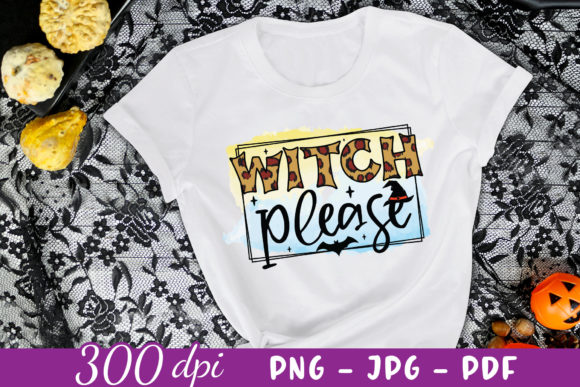
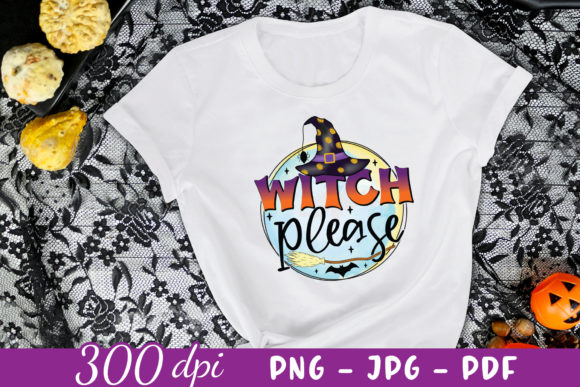
As an experienced designer who spends half my life digitizing and the other half stitching, I approach every new graphic with a critical eye. We are constantly bombarded with trendy design assets, but not all of them translate well from screen to needle. Recently, I evaluated the Witch Please, Witch Sublimation Design. While marketed primarily for sublimation on t-shirts, mugs, and signs, my interest lay in its potential as a foundation for a high-quality embroidery project. Can a raster-based graphic truly serve the needs of a serious craft business? Let’s dig into the practical realities.
First Impressions: Mood and Visual Personality
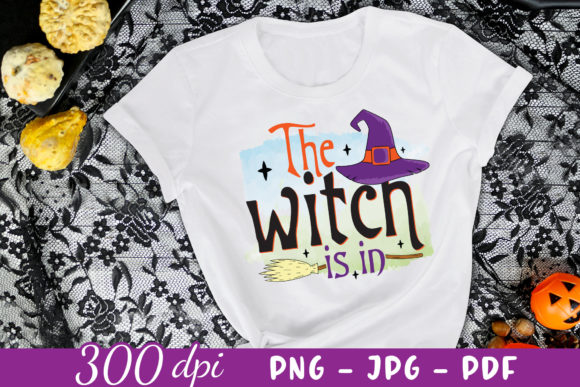
The first thing that strikes you about this design is its attitude. The phrase "Witch Please" carries a playful, sassy energy that resonates deeply with current trends in Halloween decor and everyday whimsical apparel. The graphics are eye-catching, relying on bold shapes rather than intricate, fragile details. For an embroidery designer, this is a good start. Complex gradients and tiny text often fail in thread, but strong, recognizable silhouettes thrive.
The layout feels balanced, suggesting a central focal point that would sit comfortably on the chest of a sweatshirt or the center of a tote bag. The mood is modern witchcraft—less spooky, more chic. This distinction matters because it expands the product’s lifespan beyond October 31st. It becomes a lifestyle statement rather than just seasonal decor. When I visualize this as a handmade product, I see it appealing to customers who want personality in their wardrobe without sacrificing style.
From PNG to Stitch: The Translation Challenge
Here is where we must address the technical elephant in the room. The product description states this includes high-resolution 300 DPI PNG, JPG, and PDF files. It does not list native embroidery formats like PES, DST, or EXP. This is a crucial distinction for any Etsy seller or small shop product creator. You cannot simply load a PNG into your embroidery machine and expect magic.
To use this effectively for custom apparel or embroidered patches, you have two paths. First, you can use the PNG as a reference to manually digitize the design, giving you full control over stitch density, underlay, and stitch types. Second, if you are not a digitizer, you might use the printed image as an applique template. In an applique design scenario, you would stitch a placement line, place a piece of contrasting fabric (perhaps a deep purple or black velvet for texture), tack it down, and then stitch the outline. This method preserves the crisp edges of the original graphic while adding the tactile luxury of embroidery.
Real-World Application: The Tote Bag Test
I recently worked on a custom order for a boutique client wanting unique tote bag designs. They wanted something durable yet fashionable. I considered how Witch Please, Witch Sublimation Design would look on a heavy canvas tote. Canvas has a distinct fabric texture that can swallow fine details. Because this design features bold graphics and a clear quote, it holds up well against the weave of the canvas.
If I were executing this, I would opt for a fill stitch for the larger graphical elements to ensure coverage, using a running stitch for any finer outlines to prevent puckering. The result was a sturdy, professional-looking bag that felt substantial in the hand. Customers react positively to this kind of quality; it signals that the item is not mass-produced but crafted with intent. This boosts customer trust and justifies a higher price point for your craft business.
Navigating Fabric and Hoop Constraints
While the design is versatile, it is not universal. You must exercise caution with certain materials. For instance, on thin or stretchy fabrics like jersey knits used in baby embroidery or lightweight tees, the weight of the thread can cause distortion. If you attempt this on a curved surface like a cap, the rigid nature of a dense fill stitch might cause the brim to warp. In these cases, reducing the stitch density or switching to a lighter thread weight is essential.
Dark fabrics present another challenge. If you are stitching on black hoodie material for sweatshirt embroidery, you need high-contrast thread colors. A dark purple on black will vanish. I recommend testing the design in a black-and-white mockup first to check value contrast. If the design relies on subtle shading, it will fail in thread. Fortunately, the bold nature of this specific graphic suggests it relies on shape rather than shade, making it safer for dark backgrounds provided you choose vibrant threads like electric green, bright orange, or stark white.
Stabilizer and Technique Notes
No matter how beautiful the graphic, poor stabilization ruins the finished product. For a design of this visual weight, a cut-away stabilizer is non-negotiable for garments that will be washed frequently. Tear-away stabilizers may leave residue or fail to support the stitches over time, leading to a sloppy appearance. Always test on scrap fabric first. Check how the hoop size accommodates the design. If the graphic is large, ensure your machine’s hoop can handle it without re-hooping, which risks alignment errors.
Commercial Viability and Brand Consistency
For commercial embroidery professionals, consistency is key. Using a sublimation graphic as a base requires extra steps, but it allows for unique customization that pre-digitized files often lack. You can tweak the colors to match a client’s brand palette perfectly. This flexibility enhances brand consistency and makes your offerings stand out in a saturated market.
However, always verify licensing. Just because a file is high resolution does not mean it is cleared for commercial resale as a digital embroidery file. Typically, you can sell the physical handmade product (the shirt, the mug, the sign), but you cannot resell the digitized version unless explicitly stated. Clarify this with the creator to protect your small business from legal issues.
Final Verdict: Is It Worth the Effort?
The Witch Please, Witch Sublimation Design is a strong contender for creators willing to put in the extra work of translation. It is not a plug-and-play digital embroidery file, but it is a robust graphics asset that inspires creativity. Its bold lines and trendy theme make it ideal for holiday embroidery, personalized gifts, and boutique merchandise.
If you are an embroidery designer looking for fresh inspiration, this design offers a solid foundation. It encourages you to think about texture, contrast, and application. Whether you choose to digitize it from scratch or use it as an applique guide, the end result can be a high-value item that delights customers. Just remember: respect the materials, test your tension, and let the quality of your stitching elevate the graphic. That is the difference between a hobbyist’s attempt and a professional’s crafts masterpiece.